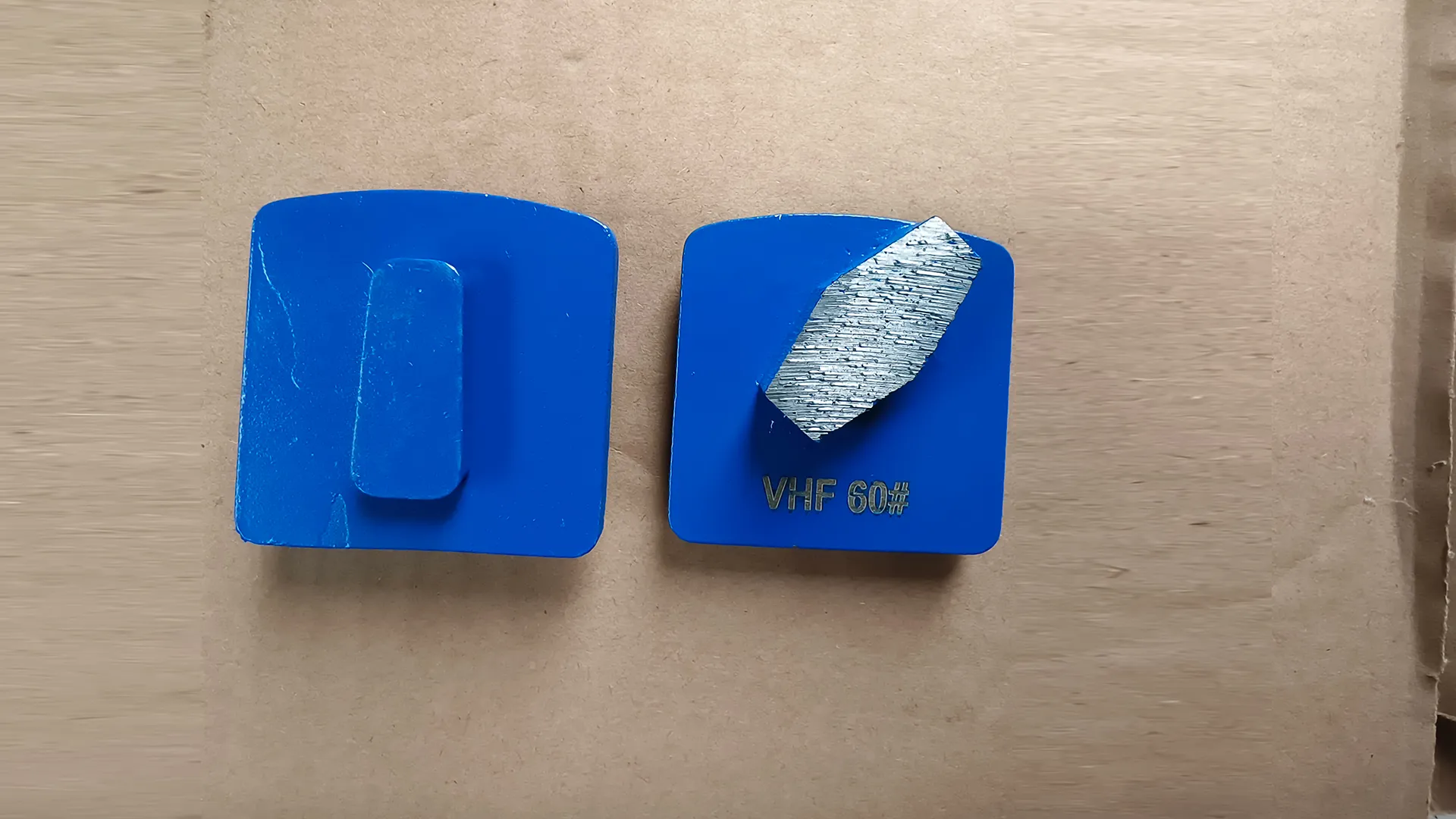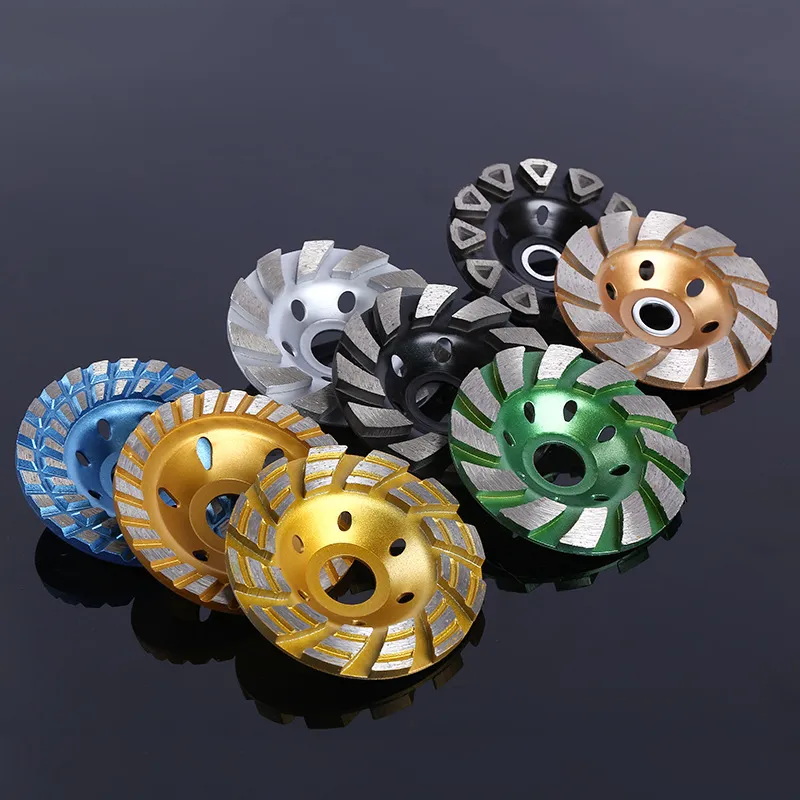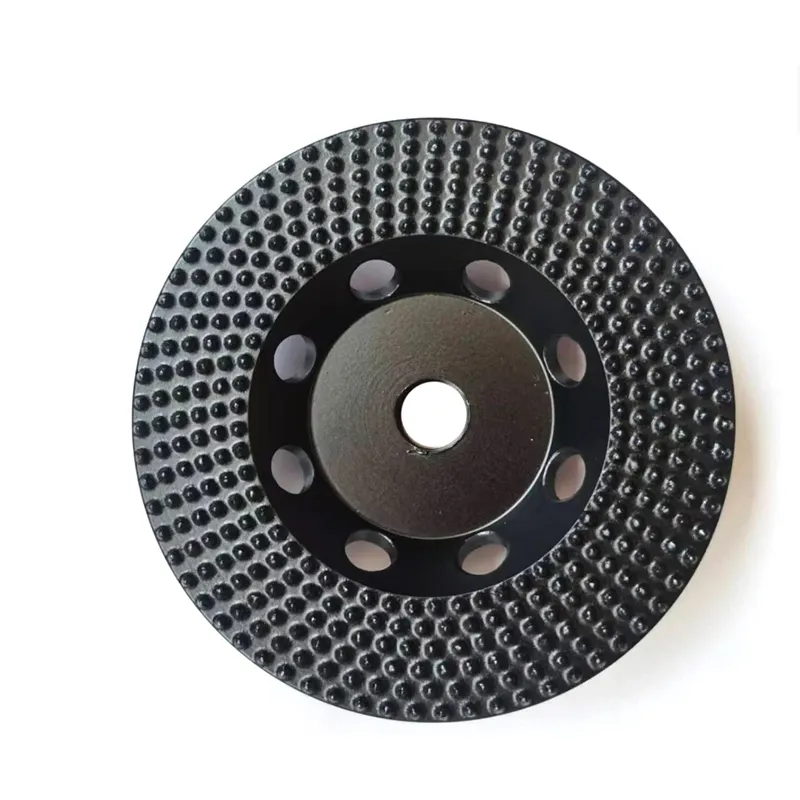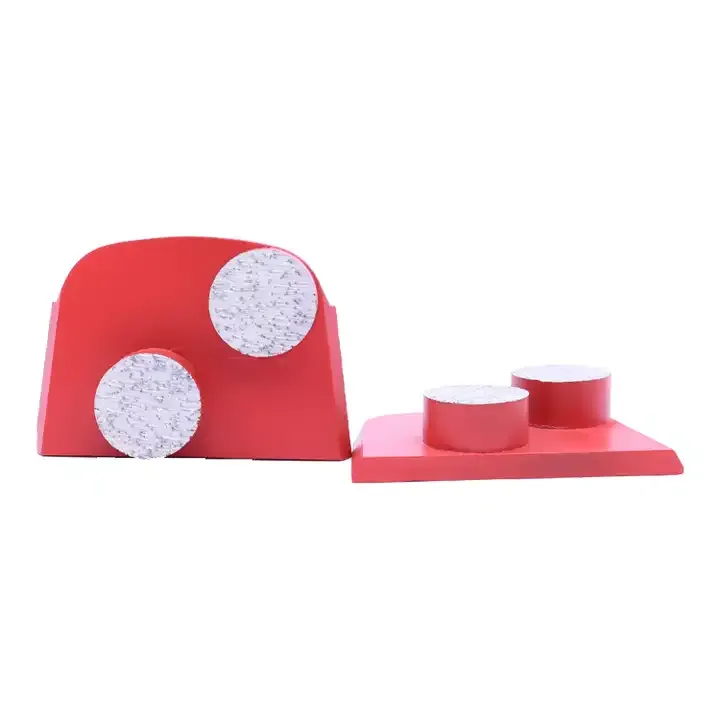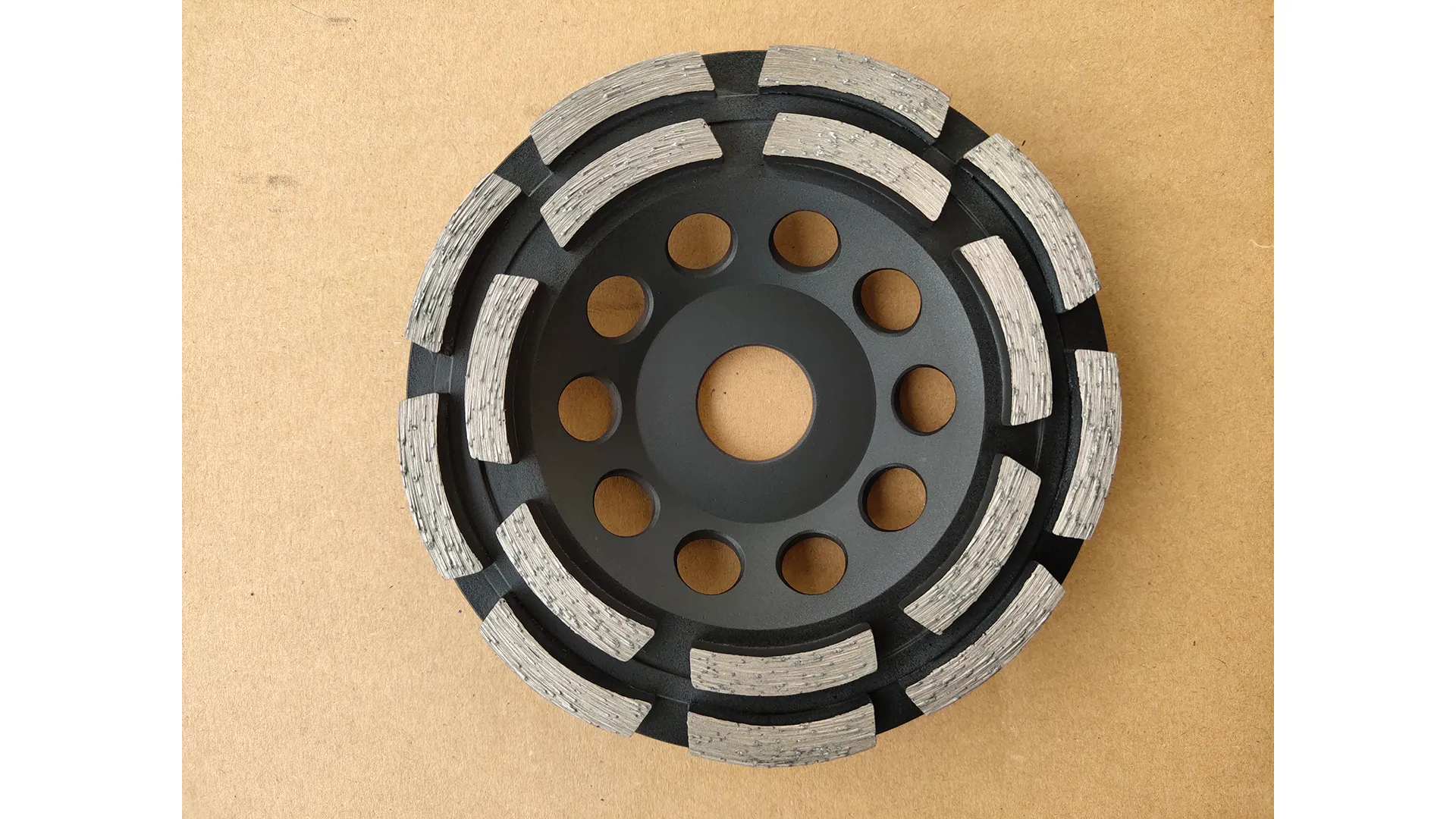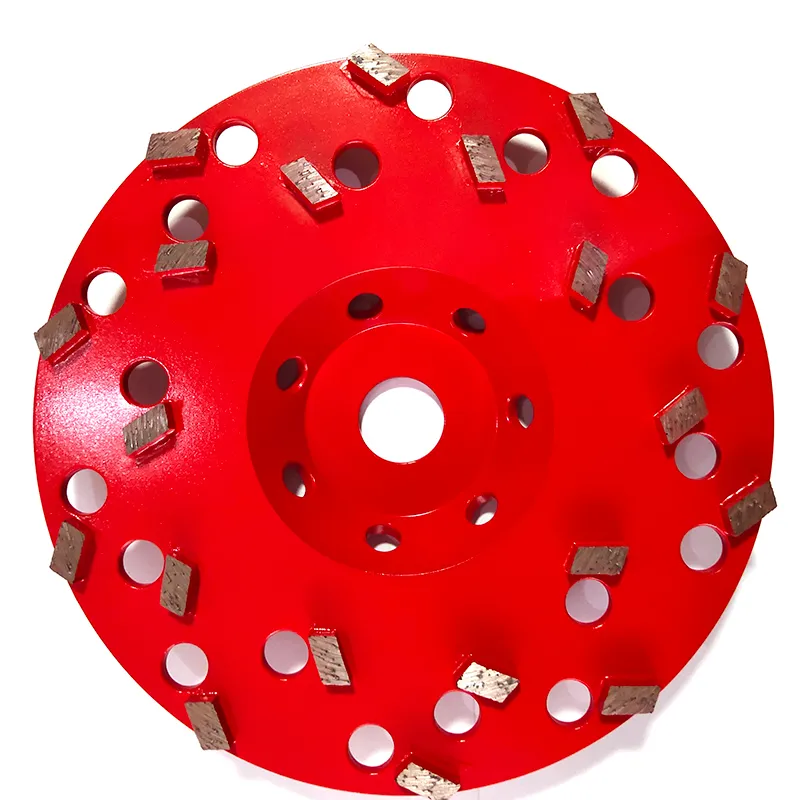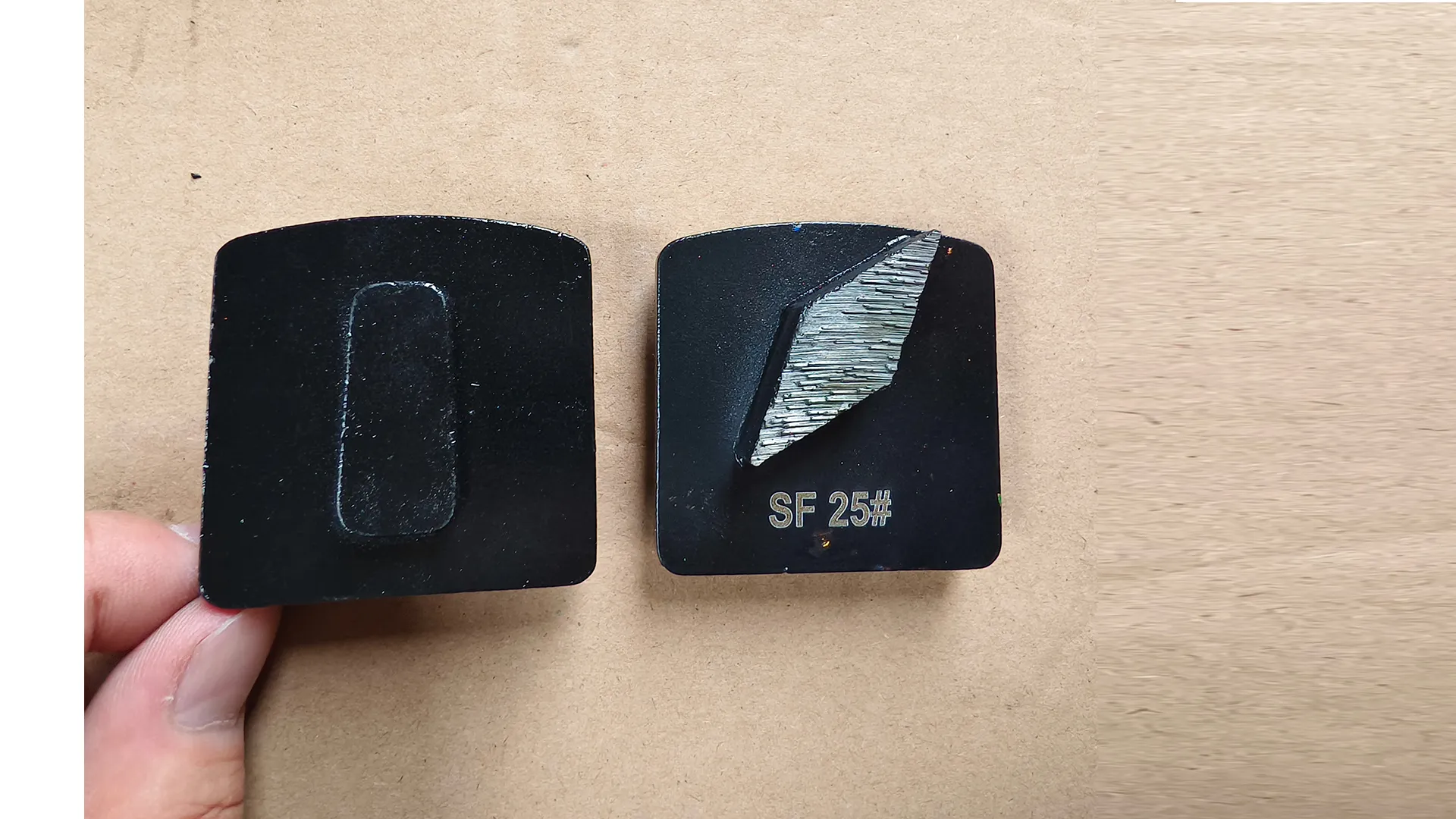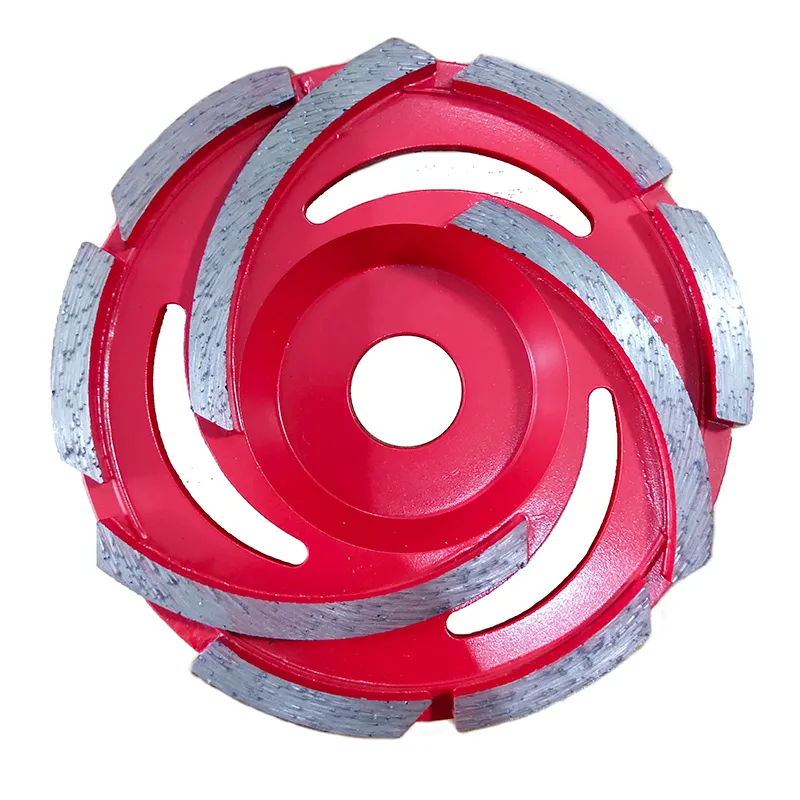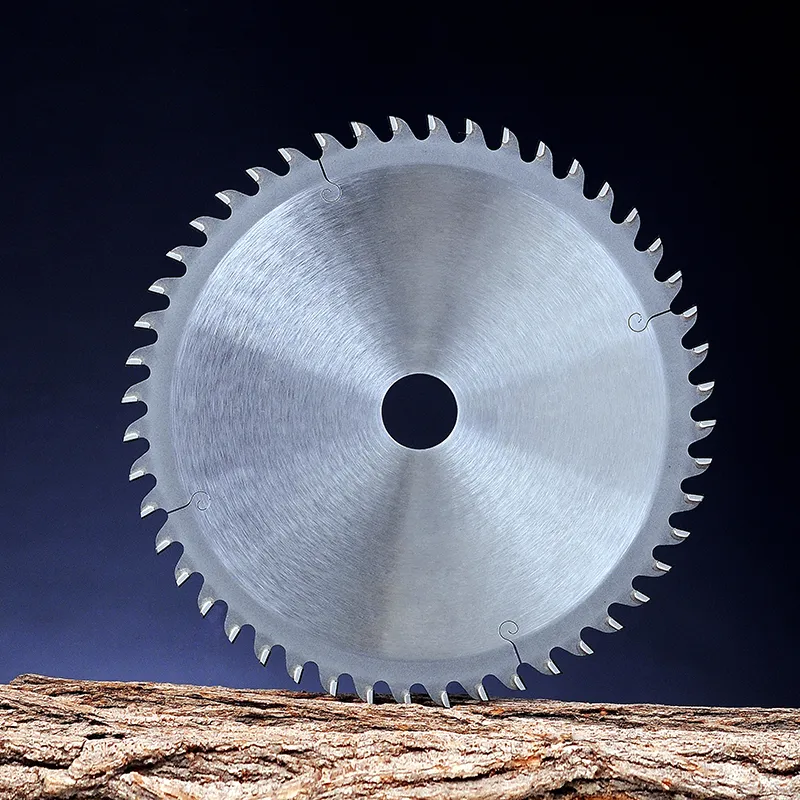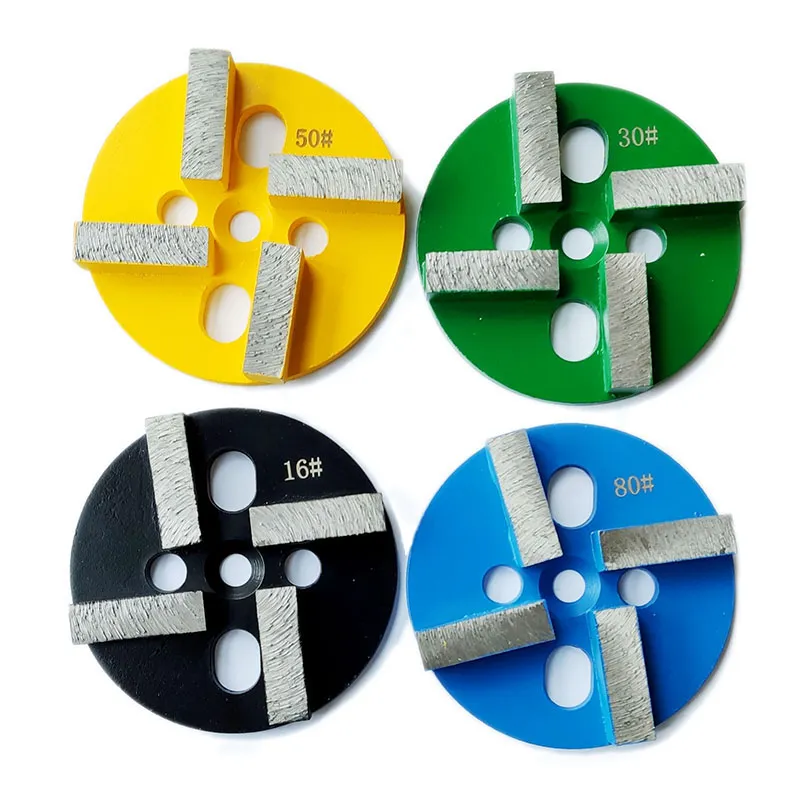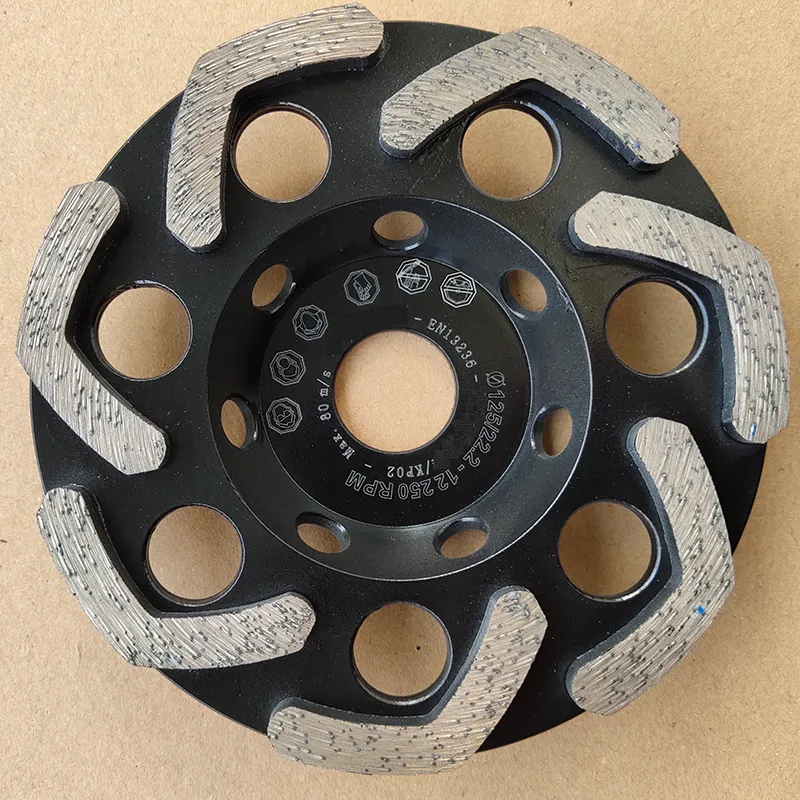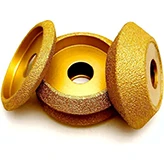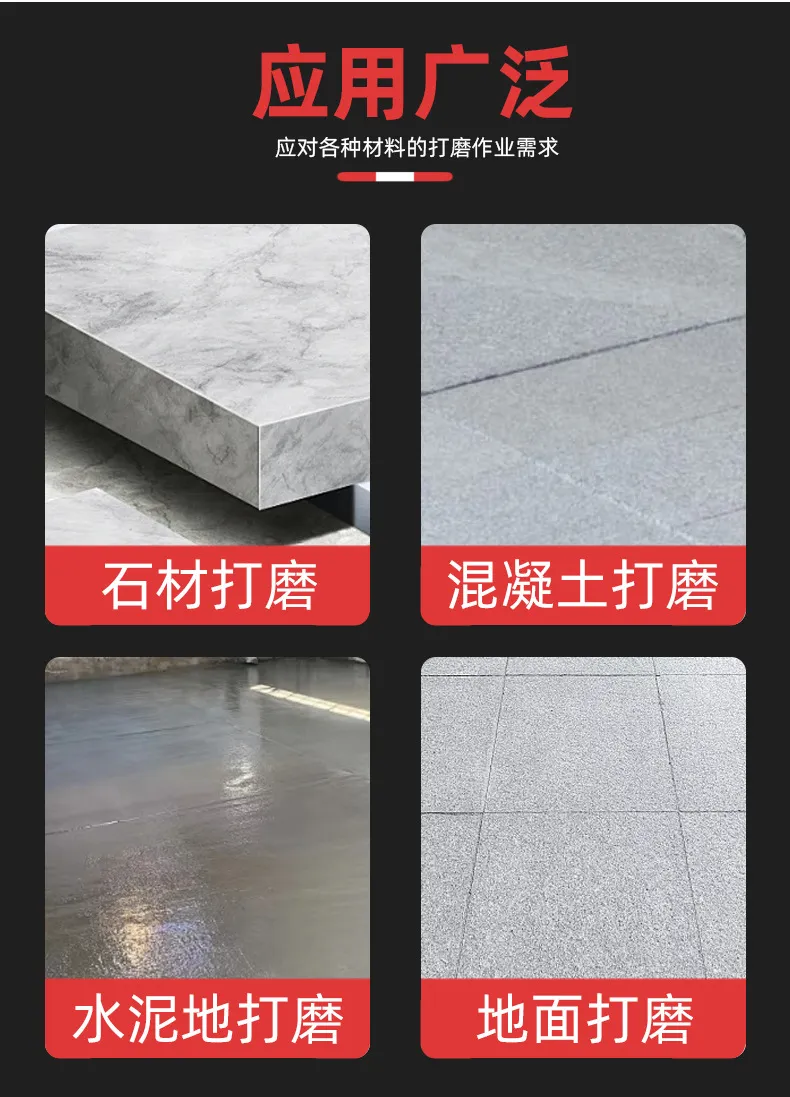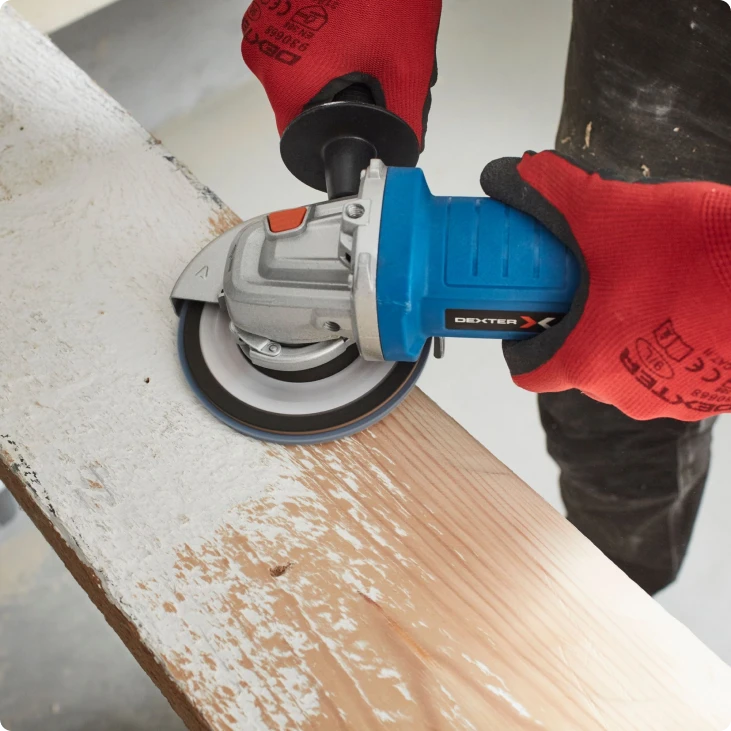

diamond cup grinder blade
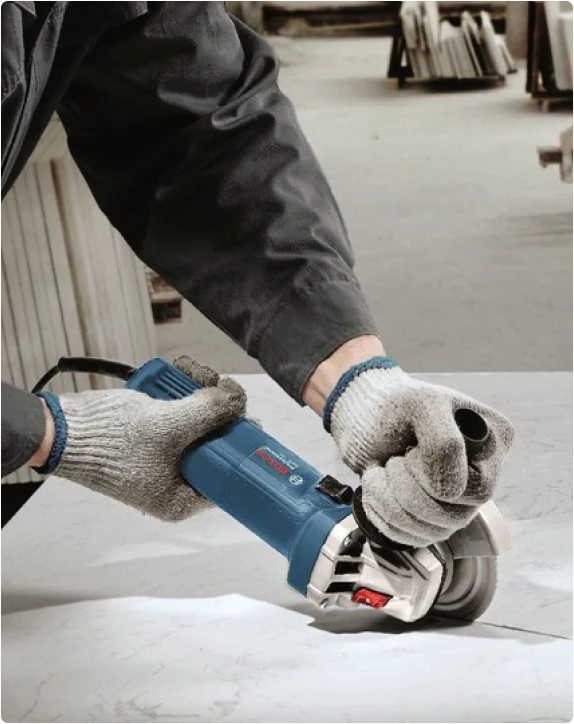
Precision Grinding with the Turbo Diamond Cup Wheel In the demanding world of construction, concrete preparation, and material finishing, the right tools are paramount to achieving superior results and operational efficiency. Among these indispensable tools, the turbo diamond cup wheel stands out as a critical component for aggressive material removal and surface profiling. Specifically designed for grinding concrete, masonry, and brick, this specialized abrasive tool combines the cutting prowess of industrial diamonds with an efficient turbo segment design, ensuring rapid stock removal and a smoother finish. This comprehensive guide delves into the technical aspects, application versatility, and strategic advantages of utilizing a high-performance turbo diamond cup wheel in various industrial and commercial settings. We will explore its manufacturing intricacies, performance benchmarks, and how it addresses modern challenges in surface preparation, adhering strictly to industry best practices and quality standards. Industry Trends in Abrasive Tooling The abrasive tooling industry is continually evolving, driven by demands for increased efficiency, enhanced durability, and improved environmental sustainability. Key trends include the development of advanced bond technologies that optimize diamond exposure and retention, leading to longer tool life and consistent performance. There's a growing emphasis on dust control mechanisms in grinding operations, prompting innovations in shroud designs and vacuum compatibility for diamond segmented turbo cup wheel products. Furthermore, the rise of automation in construction and manufacturing necessitates tools that are reliable, precise, and capable of sustained high performance under robotic or semi-automated systems. Manufacturers are also focusing on application-specific designs, tailoring segment formulations and configurations to excel in particular materials like concrete with high aggregate content or softer masonry. Technical Specifications of Diamond Turbo Cup Wheels A turbo cup wheel is engineered for high-performance grinding tasks, particularly on abrasive materials. Its distinctive turbo-style segments are designed to maximize grinding speed and material removal while facilitating efficient dust extraction and cooling. Understanding the core technical parameters is crucial for selecting the optimal tool for any given application. Key Product Specifications: Diamond Turbo Cup Wheel Of Segmented For Grinding Concrete And Brick Or Masonry Parameter Value/Description Product Type Diamond Turbo Cup Wheel (Segmented) Core Material High-Grade Steel Alloy Abrasive Material Industrial Grade Diamond Grains Bond Type Metal Matrix (e.g., Cobalt, Nickel, Bronze alloys) Diameters Available 100mm (4"), 115mm (4.5"), 125mm (5"), 150mm (6"), 180mm (7"), 230mm (9") Arbor Sizes M14, 5/8"-11, 22.23mm Segment Height 5mm - 7mm (standard), up to 10mm for extended life Segment Design Turbo-segmented for fast grinding and efficient debris removal Application Material Concrete (hard, medium, soft), Brick, Masonry, Stone Operating Method Wet or Dry Grinding (optimized for dry operation with dust extraction) Max RPM Varies by diameter, typically 8,500 - 15,000 RPM Manufacturing Process Flow of a Turbo Diamond Cup Wheel The production of a high-quality diamond segmented turbo cup wheel is a multi-stage process, demanding precision engineering and stringent quality control. It involves the careful selection of raw materials, advanced metallurgical techniques, and rigorous testing. Material Sourcing & Preparation: High-grade steel alloy is selected for the cup wheel body, known for its strength and fatigue resistance. Industrial diamonds are chosen based on grit size, shape, and toughness, specific to the intended application. Metal powders (e.g., cobalt, nickel, iron, copper) forming the matrix bond are precisely weighed and mixed. Segment Pressing: The diamond-metal powder mixture is carefully pressed into molds under high pressure to form the individual turbo segments. This ensures uniform density and consistent diamond distribution within each segment. Sintering (Hot Pressing): The pressed segments undergo a sintering process, typically hot pressing, where they are subjected to high temperatures and pressure in a controlled atmosphere. This process metallurgical bonds the diamond particles within the metal matrix, creating durable and abrasive-resistant segments. Core Forging/Stamping: The steel cup wheel body is manufactured, often through precision forging or stamping, followed by CNC machining to ensure accurate dimensions, arbor hole concentricity, and dynamic balance. This minimizes vibration during operation. Segment Brazing/Welding: The sintered diamond segments are securely attached to the steel core. High-frequency brazing or laser welding are common methods, creating a strong, robust bond that withstands extreme rotational forces and heat generated during grinding. Balancing & Finishing: Each finished concrete turbo cup wheel undergoes dynamic balancing to eliminate vibrations and ensure smooth operation. The wheel is then cleaned, painted, and branded. Quality Control & Testing: Finished products are subjected to rigorous testing, including rotational speed tests, impact resistance, and material grinding performance evaluations. Compliance with international standards such as ISO 9001 for manufacturing quality and ANSI safety standards for abrasive wheels is strictly maintained, ensuring a consistent service life and operational safety. Application Scenarios: What is a Diamond Cup Wheel Used For? The versatility of a turbo diamond cup wheel makes it indispensable across a wide array of industries and applications. Its primary function is aggressive grinding, surface preparation, and material removal on hard, abrasive surfaces. Construction and Renovation: Ideal for leveling concrete floors, removing coatings (paint, epoxy, mastic), grinding down high spots, and preparing surfaces for new installations. Essential for residential, commercial, and industrial flooring projects. Masonry and Stonework: Used for shaping, beveling, and grinding natural stone, brick, block, and other masonry materials. This is crucial in facade restoration and landscape construction. Infrastructure Projects: Employed in road construction for concrete patching, bridge deck preparation, and runway maintenance, where rapid and consistent material removal is vital. Target Industries: While primarily focused on construction, other industries benefit. For example, in petrochemical facilities, for preparing concrete bases for heavy machinery; in metallurgy , for concrete removal around heavy equipment foundations; and in water supply & drainage , for surface preparation in concrete pipelines and reservoirs. Technical Advantages and Performance Benchmarks The design and material science behind a premium turbo diamond cup wheel offer significant technical advantages over conventional abrasive tools, translating directly into operational benefits: Aggressive Material Removal: The unique turbo segment configuration ensures maximum diamond exposure and efficient debris evacuation, leading to significantly faster grinding speeds and higher productivity. This is critical for large-scale concrete preparation where time is a major cost factor. Extended Service Life: High-quality industrial diamonds embedded in robust metal matrix bonds provide exceptional wear resistance, contributing to a significantly longer service life compared to silicon carbide or other conventional abrasives. This reduces tool changeover frequency and associated downtime. Energy Saving: The efficiency of diamond grinding means less friction and less power required to achieve desired results. This translates into reduced energy consumption for the angle grinder and less strain on the operator. Corrosion Resistance: The steel core and metal bond are designed to resist corrosion, even in damp or harsh construction environments, maintaining structural integrity and safety throughout the wheel's lifespan. Reduced Vibration and Operator Fatigue: Precision balancing and advanced segment geometry minimize vibrations, enhancing user comfort, control, and reducing the risk of operator fatigue, particularly during prolonged use. Consistent Finish: Engineered for uniform grinding action, these wheels produce a more consistent surface profile, essential for subsequent coating applications or aesthetic finishes. Vendor Comparison and Selection Criteria Choosing the right supplier for turbo diamond cup wheel products is critical for ensuring performance, reliability, and long-term value. Key factors for vendor comparison extend beyond initial cost to encompass product quality, technical support, customization capabilities, and after-sales service. Comparison Factors for Diamond Cup Wheel Vendors Factor High-Quality Vendor Traits Considerations for Buyers Material Quality Uses premium industrial diamonds (e.g., De Beers, Element Six equivalents), specialized metal powders for bond strength. Request material data sheets, look for certifications (ISO). Manufacturing Process Advanced sintering, laser welding, precision CNC machining, dynamic balancing. Inquire about QC processes, facility audits if possible. Performance & Durability Published test data, documented superior service life (e.g., >30% longer than competitors). Seek performance guarantees, trial products, check independent reviews. Customization Options Ability to tailor grit size, bond hardness, segment design for specific applications/materials. Discuss specific project needs and vendor's engineering capabilities. Technical Support Experienced technical team, application engineers, readily available support. Assess responsiveness, depth of knowledge, on-site support if needed. Certifications & Compliance ISO 9001, CE, ANSI B7.1 safety standards. Verify current and relevant certifications. Customized Solutions for Specialized Grinding While standard concrete turbo cup wheel products meet most general requirements, specific projects often demand tailored solutions. Reputable manufacturers offer customization services, adapting the wheel's design to unique challenges such as highly abrasive aggregates, specific coating removal, or unusual surface profiles. Bond Hardness Adjustment: A softer bond releases diamonds more quickly, suitable for hard materials. A harder bond holds diamonds longer, ideal for softer, more abrasive materials. Diamond Grit Selection: Finer grits for smoother finishes, coarser grits for aggressive material removal. Segment Configuration: Different segment shapes, heights, and spacing can optimize performance for specific tasks, balancing speed, finish, and tool life. Arbor Size and Mounting: Custom arbor sizes or mounting patterns to fit specialized grinding equipment. Application Case Studies and Customer Feedback Real-world application demonstrates the tangible benefits of high-performance turbo cup wheel technology: Case Study 1: Industrial Floor Renovation A major logistics firm required the removal of thick epoxy coating and leveling of 5,000 sq meters of concrete flooring in a busy warehouse. Traditional methods were proving slow and costly. By switching to our specialized 180mm diamond segmented turbo cup wheel , equipped with a medium-hard bond, the project completion time was reduced by 35%. The superior aggression and consistent grind minimized the need for multiple passes, directly contributing to significant labor cost savings and reducing the overall project timeline by two weeks. Customer feedback highlighted the exceptional speed of material removal and the wheel's unexpected longevity. Case Study 2: Bridge Deck Surface Preparation A civil engineering contractor faced challenges in preparing a weathered concrete bridge deck for a new waterproof membrane application. The surface required precise profiling to ensure optimal adhesion. Our customized 125mm turbo diamond cup wheel , with a finer grit and specific segment design, was deployed. This resulted in a uniform, textured surface that exceeded specifications for membrane adhesion, without causing structural damage to the older concrete. The wheels demonstrated exceptional durability, completing over 1,500 linear meters of grinding with minimal wear, validating their cost-effectiveness and performance in critical infrastructure work. The project manager noted, "The consistent finish and endurance of these wheels were pivotal to our success." Frequently Asked Questions (FAQ) Q1: What is the primary difference between a turbo diamond cup wheel and a regular segmented cup wheel? A1: A turbo diamond cup wheel typically features continuous or closely spaced, angled segments that provide a smoother grind and faster material removal than traditional segmented wheels. The turbo design aids in cooling and dust removal, making it highly efficient for aggressive grinding while leaving a more consistent finish. Q2: Can I use a diamond cup wheel on materials other than concrete? A2: Yes, diamond cup wheels are highly effective on various masonry materials, including brick, block, natural stone (granite, marble, slate), and even some asphalt applications, depending on the bond and segment design. Always ensure the wheel is specified for the material you intend to grind. Q3: How do I choose the right grit size for my turbo cup wheel? A3: Coarser grits (e.g., 20/30) are for aggressive stock removal and rough grinding. Finer grits (e.g., 60/80 or higher) are used for smoother finishes or lighter material removal. The choice depends on the desired finish and the amount of material to be removed. Consult product specifications or our technical team for recommendations. Q4: Is wet or dry grinding recommended for these wheels? A4: While many turbo diamond cup wheel designs are optimized for dry grinding with dust extraction, some can be used wet. Wet grinding offers advantages such as cooling the tool, reducing dust, and extending tool life in certain applications. Always check the manufacturer's recommendations for wet/dry compatibility. Lead Time, Warranty, and Customer Support Lead Time & Fulfillment: Standard stock items for turbo diamond cup wheel products are typically dispatched within 3-5 business days. For bulk orders or customized solutions, lead times may vary from 2-4 weeks, depending on complexity and production queue. We maintain robust inventory management and efficient logistics to ensure timely delivery globally. Warranty Commitments: All our diamond abrasive tools are backed by a comprehensive warranty against manufacturing defects and material failures under normal operating conditions. This typically covers a period of 12 months from the date of purchase. Specific warranty details are provided with each product, ensuring peace of mind for our clients. Customer Support: Our dedicated team of technical experts and customer service representatives is available to provide unparalleled support. From product selection assistance and technical queries to post-sales support and troubleshooting, we are committed to ensuring optimal product performance and customer satisfaction. Contact us via phone, email, or our online portal for prompt assistance. Conclusion The turbo diamond cup wheel is more than just an abrasive tool; it is a meticulously engineered solution designed to meet the rigorous demands of professional grinding. Its combination of aggressive material removal, extended lifespan, and operational efficiency makes it an indispensable asset in construction, renovation, and industrial maintenance. By understanding its technical merits, application versatility, and the critical importance of vendor selection, businesses can leverage this technology to enhance productivity, reduce operational costs, and achieve superior results in their surface preparation projects. References American National Standards Institute (ANSI) B7.1 - Safety Requirements for the Use, Care, and Protection of Abrasive Wheels. International Organization for Standardization (ISO) 9001:2015 - Quality Management Systems – Requirements. The Abrasive Engineering Society Journal - Advances in Diamond Tooling Technology. Construction Industry Institute (CII) Best Practices Guide - Concrete Surface Preparation. Diamond Tools Handbook, Industrial Diamond Association of America.
-
 30000M2Floor Space
 -
 100+Team size
 -
 20+Production experience
 -
 120+Export Countries
diamond cup grinder blade
Precision Grinding with the Turbo Diamond Cup Wheel In the demanding world of construction, concrete preparation, and material finishing, the right tools are paramount to achieving superior results and operational efficiency. Among these indispensable tools, the turbo diamond cup wheel stands out as a critical component for aggressive material removal and surface profiling. Specifically designed for grinding concrete, masonry, and brick, this specialized abrasive tool combines the cutting prowess of industrial diamonds with an efficient turbo segment design, ensuring rapid stock removal and a smoother finish. This comprehensive guide delves into the technical aspects, application versatility, and strategic advantages of utilizing a high-performance turbo diamond cup wheel in various industrial and commercial settings. We will explore its manufacturing intricacies, performance benchmarks, and how it addresses modern challenges in surface preparation, adhering strictly to industry best practices and quality standards. Industry Trends in Abrasive Tooling The abrasive tooling industry is continually evolving, driven by demands for increased efficiency, enhanced durability, and improved environmental sustainability. Key trends include the development of advanced bond technologies that optimize diamond exposure and retention, leading to longer tool life and consistent performance. There's a growing emphasis on dust control mechanisms in grinding operations, prompting innovations in shroud designs and vacuum compatibility for diamond segmented turbo cup wheel products. Furthermore, the rise of automation in construction and manufacturing necessitates tools that are reliable, precise, and capable of sustained high performance under robotic or semi-automated systems. Manufacturers are also focusing on application-specific designs, tailoring segment formulations and configurations to excel in particular materials like concrete with high aggregate content or softer masonry. Technical Specifications of Diamond Turbo Cup Wheels A turbo cup wheel is engineered for high-performance grinding tasks, particularly on abrasive materials. Its distinctive turbo-style segments are designed to maximize grinding speed and material removal while facilitating efficient dust extraction and cooling. Understanding the core technical parameters is crucial for selecting the optimal tool for any given application. Key Product Specifications: Diamond Turbo Cup Wheel Of Segmented For Grinding Concrete And Brick Or Masonry Parameter Value/Description Product Type Diamond Turbo Cup Wheel (Segmented) Core Material High-Grade Steel Alloy Abrasive Material Industrial Grade Diamond Grains Bond Type Metal Matrix (e.g., Cobalt, Nickel, Bronze alloys) Diameters Available 100mm (4"), 115mm (4.5"), 125mm (5"), 150mm (6"), 180mm (7"), 230mm (9") Arbor Sizes M14, 5/8"-11, 22.23mm Segment Height 5mm - 7mm (standard), up to 10mm for extended life Segment Design Turbo-segmented for fast grinding and efficient debris removal Application Material Concrete (hard, medium, soft), Brick, Masonry, Stone Operating Method Wet or Dry Grinding (optimized for dry operation with dust extraction) Max RPM Varies by diameter, typically 8,500 - 15,000 RPM Manufacturing Process Flow of a Turbo Diamond Cup Wheel The production of a high-quality diamond segmented turbo cup wheel is a multi-stage process, demanding precision engineering and stringent quality control. It involves the careful selection of raw materials, advanced metallurgical techniques, and rigorous testing. Material Sourcing & Preparation: High-grade steel alloy is selected for the cup wheel body, known for its strength and fatigue resistance. Industrial diamonds are chosen based on grit size, shape, and toughness, specific to the intended application. Metal powders (e.g., cobalt, nickel, iron, copper) forming the matrix bond are precisely weighed and mixed. Segment Pressing: The diamond-metal powder mixture is carefully pressed into molds under high pressure to form the individual turbo segments. This ensures uniform density and consistent diamond distribution within each segment. Sintering (Hot Pressing): The pressed segments undergo a sintering process, typically hot pressing, where they are subjected to high temperatures and pressure in a controlled atmosphere. This process metallurgical bonds the diamond particles within the metal matrix, creating durable and abrasive-resistant segments. Core Forging/Stamping: The steel cup wheel body is manufactured, often through precision forging or stamping, followed by CNC machining to ensure accurate dimensions, arbor hole concentricity, and dynamic balance. This minimizes vibration during operation. Segment Brazing/Welding: The sintered diamond segments are securely attached to the steel core. High-frequency brazing or laser welding are common methods, creating a strong, robust bond that withstands extreme rotational forces and heat generated during grinding. Balancing & Finishing: Each finished concrete turbo cup wheel undergoes dynamic balancing to eliminate vibrations and ensure smooth operation. The wheel is then cleaned, painted, and branded. Quality Control & Testing: Finished products are subjected to rigorous testing, including rotational speed tests, impact resistance, and material grinding performance evaluations. Compliance with international standards such as ISO 9001 for manufacturing quality and ANSI safety standards for abrasive wheels is strictly maintained, ensuring a consistent service life and operational safety. Application Scenarios: What is a Diamond Cup Wheel Used For? The versatility of a turbo diamond cup wheel makes it indispensable across a wide array of industries and applications. Its primary function is aggressive grinding, surface preparation, and material removal on hard, abrasive surfaces. Construction and Renovation: Ideal for leveling concrete floors, removing coatings (paint, epoxy, mastic), grinding down high spots, and preparing surfaces for new installations. Essential for residential, commercial, and industrial flooring projects. Masonry and Stonework: Used for shaping, beveling, and grinding natural stone, brick, block, and other masonry materials. This is crucial in facade restoration and landscape construction. Infrastructure Projects: Employed in road construction for concrete patching, bridge deck preparation, and runway maintenance, where rapid and consistent material removal is vital. Target Industries: While primarily focused on construction, other industries benefit. For example, in petrochemical facilities, for preparing concrete bases for heavy machinery; in metallurgy , for concrete removal around heavy equipment foundations; and in water supply & drainage , for surface preparation in concrete pipelines and reservoirs. Technical Advantages and Performance Benchmarks The design and material science behind a premium turbo diamond cup wheel offer significant technical advantages over conventional abrasive tools, translating directly into operational benefits: Aggressive Material Removal: The unique turbo segment configuration ensures maximum diamond exposure and efficient debris evacuation, leading to significantly faster grinding speeds and higher productivity. This is critical for large-scale concrete preparation where time is a major cost factor. Extended Service Life: High-quality industrial diamonds embedded in robust metal matrix bonds provide exceptional wear resistance, contributing to a significantly longer service life compared to silicon carbide or other conventional abrasives. This reduces tool changeover frequency and associated downtime. Energy Saving: The efficiency of diamond grinding means less friction and less power required to achieve desired results. This translates into reduced energy consumption for the angle grinder and less strain on the operator. Corrosion Resistance: The steel core and metal bond are designed to resist corrosion, even in damp or harsh construction environments, maintaining structural integrity and safety throughout the wheel's lifespan. Reduced Vibration and Operator Fatigue: Precision balancing and advanced segment geometry minimize vibrations, enhancing user comfort, control, and reducing the risk of operator fatigue, particularly during prolonged use. Consistent Finish: Engineered for uniform grinding action, these wheels produce a more consistent surface profile, essential for subsequent coating applications or aesthetic finishes. Vendor Comparison and Selection Criteria Choosing the right supplier for turbo diamond cup wheel products is critical for ensuring performance, reliability, and long-term value. Key factors for vendor comparison extend beyond initial cost to encompass product quality, technical support, customization capabilities, and after-sales service. Comparison Factors for Diamond Cup Wheel Vendors Factor High-Quality Vendor Traits Considerations for Buyers Material Quality Uses premium industrial diamonds (e.g., De Beers, Element Six equivalents), specialized metal powders for bond strength. Request material data sheets, look for certifications (ISO). Manufacturing Process Advanced sintering, laser welding, precision CNC machining, dynamic balancing. Inquire about QC processes, facility audits if possible. Performance & Durability Published test data, documented superior service life (e.g., >30% longer than competitors). Seek performance guarantees, trial products, check independent reviews. Customization Options Ability to tailor grit size, bond hardness, segment design for specific applications/materials. Discuss specific project needs and vendor's engineering capabilities. Technical Support Experienced technical team, application engineers, readily available support. Assess responsiveness, depth of knowledge, on-site support if needed. Certifications & Compliance ISO 9001, CE, ANSI B7.1 safety standards. Verify current and relevant certifications. Customized Solutions for Specialized Grinding While standard concrete turbo cup wheel products meet most general requirements, specific projects often demand tailored solutions. Reputable manufacturers offer customization services, adapting the wheel's design to unique challenges such as highly abrasive aggregates, specific coating removal, or unusual surface profiles. Bond Hardness Adjustment: A softer bond releases diamonds more quickly, suitable for hard materials. A harder bond holds diamonds longer, ideal for softer, more abrasive materials. Diamond Grit Selection: Finer grits for smoother finishes, coarser grits for aggressive material removal. Segment Configuration: Different segment shapes, heights, and spacing can optimize performance for specific tasks, balancing speed, finish, and tool life. Arbor Size and Mounting: Custom arbor sizes or mounting patterns to fit specialized grinding equipment. Application Case Studies and Customer Feedback Real-world application demonstrates the tangible benefits of high-performance turbo cup wheel technology: Case Study 1: Industrial Floor Renovation A major logistics firm required the removal of thick epoxy coating and leveling of 5,000 sq meters of concrete flooring in a busy warehouse. Traditional methods were proving slow and costly. By switching to our specialized 180mm diamond segmented turbo cup wheel , equipped with a medium-hard bond, the project completion time was reduced by 35%. The superior aggression and consistent grind minimized the need for multiple passes, directly contributing to significant labor cost savings and reducing the overall project timeline by two weeks. Customer feedback highlighted the exceptional speed of material removal and the wheel's unexpected longevity. Case Study 2: Bridge Deck Surface Preparation A civil engineering contractor faced challenges in preparing a weathered concrete bridge deck for a new waterproof membrane application. The surface required precise profiling to ensure optimal adhesion. Our customized 125mm turbo diamond cup wheel , with a finer grit and specific segment design, was deployed. This resulted in a uniform, textured surface that exceeded specifications for membrane adhesion, without causing structural damage to the older concrete. The wheels demonstrated exceptional durability, completing over 1,500 linear meters of grinding with minimal wear, validating their cost-effectiveness and performance in critical infrastructure work. The project manager noted, "The consistent finish and endurance of these wheels were pivotal to our success." Frequently Asked Questions (FAQ) Q1: What is the primary difference between a turbo diamond cup wheel and a regular segmented cup wheel? A1: A turbo diamond cup wheel typically features continuous or closely spaced, angled segments that provide a smoother grind and faster material removal than traditional segmented wheels. The turbo design aids in cooling and dust removal, making it highly efficient for aggressive grinding while leaving a more consistent finish. Q2: Can I use a diamond cup wheel on materials other than concrete? A2: Yes, diamond cup wheels are highly effective on various masonry materials, including brick, block, natural stone (granite, marble, slate), and even some asphalt applications, depending on the bond and segment design. Always ensure the wheel is specified for the material you intend to grind. Q3: How do I choose the right grit size for my turbo cup wheel? A3: Coarser grits (e.g., 20/30) are for aggressive stock removal and rough grinding. Finer grits (e.g., 60/80 or higher) are used for smoother finishes or lighter material removal. The choice depends on the desired finish and the amount of material to be removed. Consult product specifications or our technical team for recommendations. Q4: Is wet or dry grinding recommended for these wheels? A4: While many turbo diamond cup wheel designs are optimized for dry grinding with dust extraction, some can be used wet. Wet grinding offers advantages such as cooling the tool, reducing dust, and extending tool life in certain applications. Always check the manufacturer's recommendations for wet/dry compatibility. Lead Time, Warranty, and Customer Support Lead Time & Fulfillment: Standard stock items for turbo diamond cup wheel products are typically dispatched within 3-5 business days. For bulk orders or customized solutions, lead times may vary from 2-4 weeks, depending on complexity and production queue. We maintain robust inventory management and efficient logistics to ensure timely delivery globally. Warranty Commitments: All our diamond abrasive tools are backed by a comprehensive warranty against manufacturing defects and material failures under normal operating conditions. This typically covers a period of 12 months from the date of purchase. Specific warranty details are provided with each product, ensuring peace of mind for our clients. Customer Support: Our dedicated team of technical experts and customer service representatives is available to provide unparalleled support. From product selection assistance and technical queries to post-sales support and troubleshooting, we are committed to ensuring optimal product performance and customer satisfaction. Contact us via phone, email, or our online portal for prompt assistance. Conclusion The turbo diamond cup wheel is more than just an abrasive tool; it is a meticulously engineered solution designed to meet the rigorous demands of professional grinding. Its combination of aggressive material removal, extended lifespan, and operational efficiency makes it an indispensable asset in construction, renovation, and industrial maintenance. By understanding its technical merits, application versatility, and the critical importance of vendor selection, businesses can leverage this technology to enhance productivity, reduce operational costs, and achieve superior results in their surface preparation projects. References American National Standards Institute (ANSI) B7.1 - Safety Requirements for the Use, Care, and Protection of Abrasive Wheels. International Organization for Standardization (ISO) 9001:2015 - Quality Management Systems – Requirements. The Abrasive Engineering Society Journal - Advances in Diamond Tooling Technology. Construction Industry Institute (CII) Best Practices Guide - Concrete Surface Preparation. Diamond Tools Handbook, Industrial Diamond Association of America.
-
30000M2Floor Space
-
100+Team size
-
20+Production experience
-
120+Export Countries